
- posted: Jun. 20, 2025
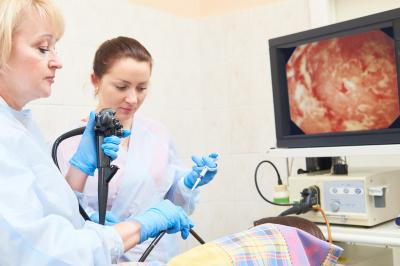
At Premier Gastroenterology and Wellness in Katy, Texas, serving Richmond and Cypress, Dr. Kevin Marks and his team use upper endoscopy as a valuable diagnostic tool for gastrointestinal conditions. This procedure, also known as esophagogastroduodenoscopy (EGD), allows for a detailed examination of the upper digestive tract, including the esophagus, stomach, and the first part of the small intestine (duodenum). Knowing about the common conditions that can be diagnosed through this procedure can help patients better appreciate its importance in gastroenterological care.
Gastroesophageal Reflux Disease (GERD) and Barrett's Esophagus
One of the most common conditions diagnosed through upper endoscopy is gastroesophageal reflux disease (GERD). This chronic condition occurs when stomach acid frequently flows into the esophagus, causing symptoms such as heartburn and regurgitation. During an upper endoscopy, Dr. Marks can visualize the extent of damage to the esophageal lining caused by acid reflux. In some cases, GERD can lead to Barrett's esophagus, a condition where the lining of the esophagus changes, potentially increasing the risk of esophageal cancer. Upper endoscopy allows for the detection and monitoring of these changes, enabling early intervention and management.
Ulcers and Gastritis
Upper endoscopy is an excellent tool for diagnosing ulcers in the stomach and duodenum, as well as gastritis, an inflammation of the stomach lining. These conditions can cause symptoms such as abdominal pain, nausea, and in some cases, bleeding. Through direct visualization during the procedure, Dr. Marks can identify the presence, location, and severity of ulcers or inflammation. Additionally, biopsies can be taken during the endoscopy to test for Helicobacter pylori, a bacterium often responsible for ulcers and gastritis. This comprehensive approach at Premier Gastroenterology and Wellness allows accurate diagnosis and guides appropriate treatment plans for patients in the Katy, Richmond, and Cypress, Texas, area.
Esophageal Conditions
Upper endoscopy is crucial in diagnosing esophageal conditions including esophagitis (inflammation of the esophagus), which can be caused by acid reflux, infections, or certain medications. Esophageal strictures, narrowings of the esophagus that can cause difficulty swallowing, can also be identified during this procedure. In some cases, Dr. Marks may diagnose serious conditions such as esophageal tumors or varices (enlarged veins in the esophagus that can be a sign of liver disease). The ability to detect these conditions early through upper endoscopy can significantly impact treatment outcomes and patient quality of life.
Celiac Disease and Other Small Intestine Disorders
While upper endoscopy primarily examines the upper part of the digestive tract, it also allows for inspection and biopsy of the duodenum, the first part of the small intestine. This is particularly useful in diagnosing celiac disease, an autoimmune disorder triggered by gluten consumption. During the procedure, Dr. Marks can observe characteristic changes in the intestinal lining and take biopsies for definitive diagnosis. Other small intestine disorders that can be identified include inflammation, polyps, and in some cases, early-stage tumors.
Get an Upper Endoscopy for an Accurate Diagnosis
Dr. Kevin Marks uses upper endoscopy as a vital diagnostic tool at Premier Gastroenterology and Wellness. This procedure's ability to provide direct visualization and tissue sampling makes it invaluable in accurately diagnosing and guiding treatment for numerous digestive health issues. Patients experiencing persistent gastrointestinal symptoms or those at risk for certain conditions can benefit greatly from the insights provided by this advanced diagnostic technique. To schedule an appointment at our Katy, Texas, office, serving the areas of Richmond and Cypress, call (281) 392-0425.
- posted: Jun. 20, 2025
At Premier Gastroenterology and Wellness in Katy, Texas, serving Richmond and Cypress, Dr. Kevin Marks and his team use upper endoscopy as a valuable diagnostic tool for gastrointestinal conditions. This procedure, also known as esophagogastroduodenoscopy (EGD), allows for a detailed examination of the upper digestive tract, including the esophagus, stomach, and the first part of the small intestine (duodenum). Knowing about the common conditions that can be diagnosed through this procedure can help patients better appreciate its importance in gastroenterological care.
Gastroesophageal Reflux Disease (GERD) and Barrett's Esophagus
One of the most common conditions diagnosed through upper endoscopy is gastroesophageal reflux disease (GERD). This chronic condition occurs when stomach acid frequently flows into the esophagus, causing symptoms such as heartburn and regurgitation. During an upper endoscopy, Dr. Marks can visualize the extent of damage to the esophageal lining caused by acid reflux. In some cases, GERD can lead to Barrett's esophagus, a condition where the lining of the esophagus changes, potentially increasing the risk of esophageal cancer. Upper endoscopy allows for the detection and monitoring of these changes, enabling early intervention and management.
Ulcers and Gastritis
Upper endoscopy is an excellent tool for diagnosing ulcers in the stomach and duodenum, as well as gastritis, an inflammation of the stomach lining. These conditions can cause symptoms such as abdominal pain, nausea, and in some cases, bleeding. Through direct visualization during the procedure, Dr. Marks can identify the presence, location, and severity of ulcers or inflammation. Additionally, biopsies can be taken during the endoscopy to test for Helicobacter pylori, a bacterium often responsible for ulcers and gastritis. This comprehensive approach at Premier Gastroenterology and Wellness allows accurate diagnosis and guides appropriate treatment plans for patients in the Katy, Richmond, and Cypress, Texas, area.
Esophageal Conditions
Upper endoscopy is crucial in diagnosing esophageal conditions including esophagitis (inflammation of the esophagus), which can be caused by acid reflux, infections, or certain medications. Esophageal strictures, narrowings of the esophagus that can cause difficulty swallowing, can also be identified during this procedure. In some cases, Dr. Marks may diagnose serious conditions such as esophageal tumors or varices (enlarged veins in the esophagus that can be a sign of liver disease). The ability to detect these conditions early through upper endoscopy can significantly impact treatment outcomes and patient quality of life.
Celiac Disease and Other Small Intestine Disorders
While upper endoscopy primarily examines the upper part of the digestive tract, it also allows for inspection and biopsy of the duodenum, the first part of the small intestine. This is particularly useful in diagnosing celiac disease, an autoimmune disorder triggered by gluten consumption. During the procedure, Dr. Marks can observe characteristic changes in the intestinal lining and take biopsies for definitive diagnosis. Other small intestine disorders that can be identified include inflammation, polyps, and in some cases, early-stage tumors.
Get an Upper Endoscopy for an Accurate Diagnosis
Dr. Kevin Marks uses upper endoscopy as a vital diagnostic tool at Premier Gastroenterology and Wellness. This procedure's ability to provide direct visualization and tissue sampling makes it invaluable in accurately diagnosing and guiding treatment for numerous digestive health issues. Patients experiencing persistent gastrointestinal symptoms or those at risk for certain conditions can benefit greatly from the insights provided by this advanced diagnostic technique. To schedule an appointment at our Katy, Texas, office, serving the areas of Richmond and Cypress, call (281) 392-0425.
Premier Gastroenterology & Wellness
521 W Grand Parkway South,
Katy, TX 77494
Office Hours
Monday
8:00 am - 5:00 pm
Tuesday
8:00 am - 5:00 pm
Wednesday
8:00 am - 5:00 pm
Thursday
8:00 am - 5:00 pm
Friday
8:00 am - 3:00 pm
Saturday
Closed
Sunday
Closed